Are Your Audits Aligned with Yellow Book Standards?
Organizations that receive government funding or operate within regulated environments face a higher level of scrutiny in their financial reporting and compliance obligations. In these environments, audits are not merely procedural exercises. They are essential mechanisms for accountability, transparency, and public trust.
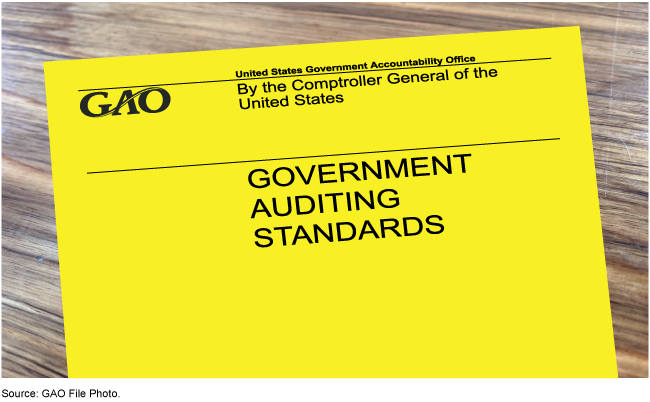
The Government Accountability Office’s Generally Accepted Government Auditing Standards (GAGAS), commonly referred to as the “Yellow Book,” establishes the framework for conducting high-quality governmental audits. These standards are designed to ensure that audits are performed with integrity, independence, professional competence, and appropriate documentation.
For organizations subject to Yellow Book requirements, compliance is not optional. It is foundational.
Understanding Yellow Book Standards
Yellow Book standards apply to a wide range of governmental entities, nonprofit organizations, and organizations receiving federal or state funding. These standards expand upon traditional auditing requirements by emphasizing additional areas such as:
Auditor independence
Internal control evaluation
Ethical standards
Risk assessment procedures
Documentation requirements
Quality control and peer review processes
Organizations that fail to meet these standards may encounter compliance issues, questioned costs, funding complications, or reputational concerns.
The Importance of Documentation and Internal Controls
One of the central principles of Yellow Book auditing is thorough documentation. Auditors must clearly demonstrate the basis for conclusions, testing procedures, findings, and recommendations.
Strong internal controls are equally important. Organizations should regularly evaluate:
Segregation of duties
Approval and authorization procedures
Financial reporting processes
Grant compliance monitoring
Record retention policies
Oversight and governance practices
Weak or inconsistent controls can create significant vulnerabilities during an audit engagement.
Independence and Professional Discipline
Yellow Book standards place substantial emphasis on auditor independence. This includes both actual independence and the appearance of independence.
Organizations should work with professionals who understand the complexities of governmental auditing requirements and who maintain disciplined engagement procedures throughout the audit process.
Clear communication, organized records, and proactive planning can significantly reduce disruption and strengthen audit outcomes.
Preparing for Audit Readiness
Audit readiness should not begin weeks before fieldwork starts. Effective preparation is an ongoing process that requires consistent financial oversight and operational discipline throughout the year.
Organizations can strengthen readiness by:
Maintaining organized financial records
Conducting periodic internal reviews
Monitoring grant and funding compliance
Reviewing policies and procedures regularly
Addressing deficiencies promptly
Ensuring leadership oversight remains active and informed
A proactive approach not only improves compliance but also enhances organizational confidence and operational stability.
Supporting Compliance with Clarity and Discipline
Government auditing requirements continue to evolve, and organizations benefit from working with professionals who understand both the technical standards and the operational realities behind them.
At Kaye Kendrick Enterprises, LLC, our team supports organizations with CPA, controller, audit, consulting, and coaching services designed to promote financial clarity, accountability, and disciplined compliance practices.