
Building Risk-Resilient Supply Chains
In the first part of the Resilience in Business Operations series, Contingency Planning for Operational Continuity, we explored how businesses can prepare structured responses to unexpected disruptions. By identifying critical functions, establishing backup procedures, and clarifying responsibilities, organizations can maintain stability when unforeseen events occur.
Another essential element of operational resilience involves the stability of the supply chain. Even well-managed internal operations can be disrupted if key vendors, suppliers, or service providers experience delays or interruptions. Building a risk-resilient supply chain helps businesses reduce these vulnerabilities and maintain continuity.
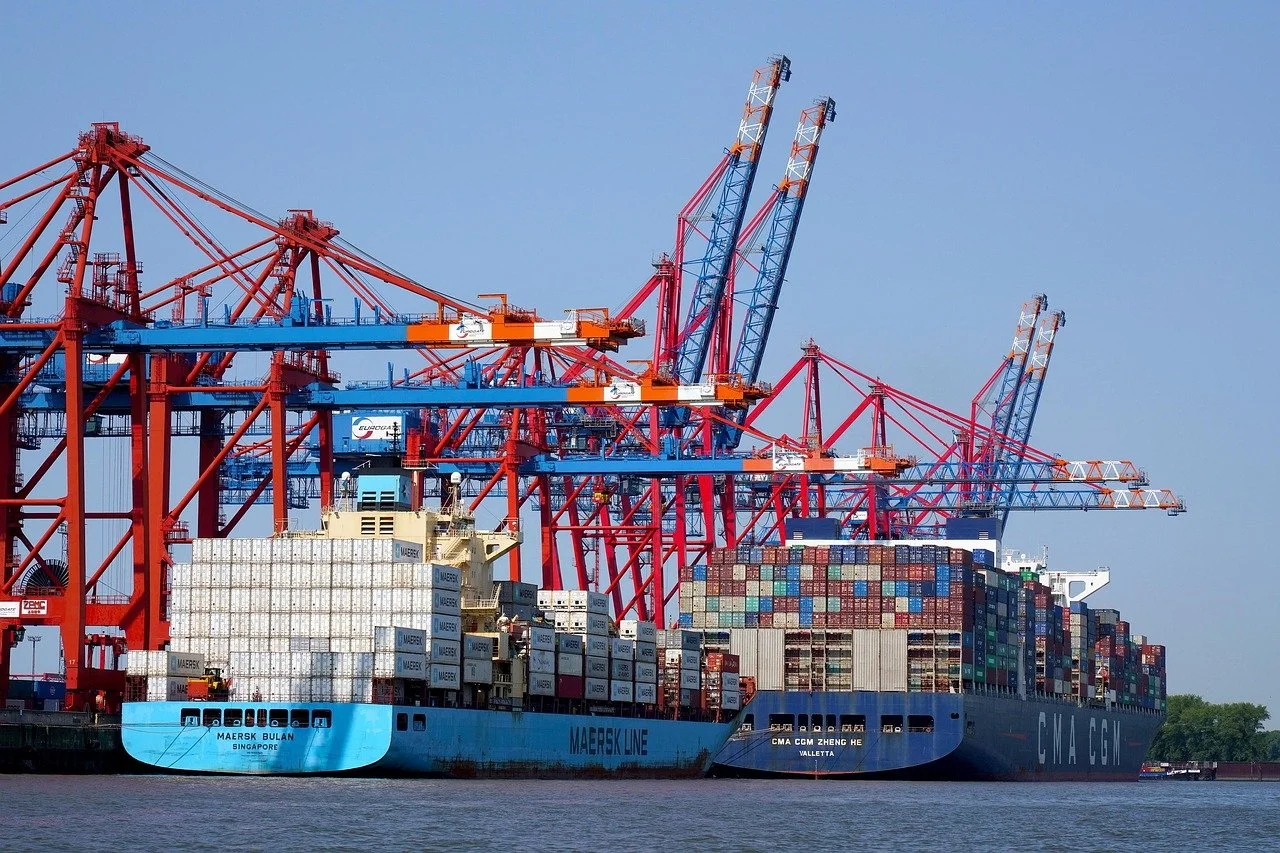
Understanding Supply Chain Risk
Supply chains are often more complex than they appear. Many businesses rely on networks of vendors, subcontractors, logistics providers, and service partners. Disruptions affecting any part of this network can impact operations.
Common sources of supply chain risk include:
Vendor financial instability
Transportation delays or logistical disruptions
Regional or global economic events
Natural disasters affecting supplier facilities
Regulatory or trade-related changes
While it is not possible to eliminate all risk, organizations can reduce their exposure through thoughtful planning and diversification.
Evaluating Vendor Dependence
One of the most common vulnerabilities in supply chains arises when businesses rely heavily on a single supplier for critical goods or services.
Vendor concentration may create efficiency in stable environments, but it can increase risk during disruptions. Businesses should periodically evaluate:
Whether key materials or services are sourced from only one provider
Whether alternative vendors are available if needed
Whether vendors themselves rely on fragile supply chains
Understanding these dependencies helps organizations identify potential points of failure before problems arise.
Diversifying Supplier Relationships
A resilient supply chain often involves maintaining relationships with more than one supplier for critical resources. Diversification does not necessarily require splitting purchases evenly among vendors, but it ensures that alternatives exist if primary sources become unavailable.
This may involve:
Identifying qualified secondary suppliers
Establishing preliminary relationships with backup vendors
Monitoring supplier capacity and reliability
Maintaining clear contractual expectations
Developing these relationships in advance allows businesses to respond more quickly when disruptions occur.
Strengthening Vendor Communication
Open communication with suppliers can play an important role in maintaining supply chain stability.
Regular communication helps businesses:
Stay informed about potential production or delivery delays
Understand vendor capacity and operational changes
Coordinate adjustments when market conditions shift
Strong vendor relationships often allow organizations to receive earlier warning of potential disruptions, which can provide valuable time to adjust operations.
Monitoring and Reviewing Supply Chain Stability
Supply chain risk management should be an ongoing process rather than a one-time review.
Businesses benefit from periodically evaluating supplier performance, delivery reliability, and operational stability. Monitoring these factors helps identify emerging risks and allows leadership teams to adapt their strategies as conditions evolve.
In some cases, modest adjustments—such as identifying secondary vendors or adjusting inventory practices—can significantly improve resilience.
Stability Through Strategic Supplier Management
Supply chains represent a critical operational backbone for many organizations. When suppliers encounter difficulties, even well-managed businesses can experience disruption.
By understanding vendor dependencies, diversifying supplier relationships, strengthening communication, and reviewing supply chain stability regularly, organizations can significantly reduce the risk of operational interruption.
A resilient supply chain does not eliminate uncertainty, but it provides businesses with the flexibility needed to adapt when conditions change.
In Part 3 of the Resilience in Business Operations series, The Role of Cybersecurity in Resilient Operations, we will examine how protecting digital systems, financial data, and operational platforms plays a vital role in maintaining long-term business stability.