
Preparing for Natural Disasters and Unexpected Events
In Part 3 of the Resilience in Business Operations series, The Role of Cybersecurity in Resilient Operations, we examined how protecting digital systems, financial data, and operational platforms contributes to maintaining stability in an increasingly technology-driven business environment. Strong cybersecurity practices help safeguard daily operations from digital disruptions.
Yet operational resilience must also account for physical disruptions. Natural disasters, infrastructure failures, and other unexpected events can interrupt business activity with little warning. Preparing for these possibilities allows organizations to respond more effectively and resume operations more quickly when disruptions occur.
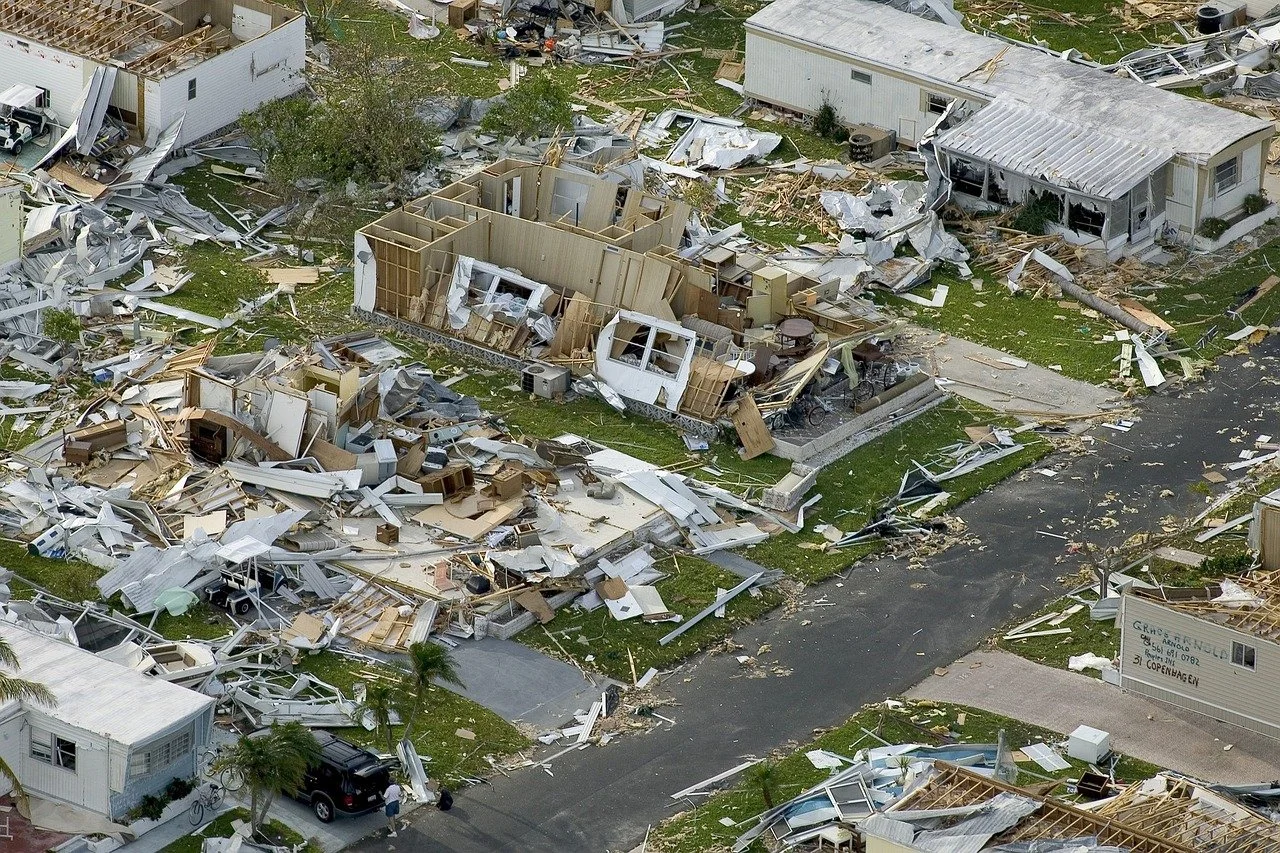
Understanding Physical Operational Risks
Physical disruptions can take many forms, and their effects often extend beyond the immediate event itself. Severe weather, power outages, transportation disruptions, or building access issues can all temporarily interrupt normal business activity.
Examples of events that may affect operations include:
Severe storms, flooding, or extreme weather
Extended power outages
Fire or building damage
Transportation disruptions affecting staff or suppliers
Public safety emergencies or infrastructure failures
While the likelihood and severity of these events vary by location, every organization benefits from considering how such disruptions might affect its operations.
Identifying Operational Vulnerabilities
The first step in preparing for unexpected events is identifying areas where operations may be vulnerable.
Businesses should evaluate questions such as:
Are critical systems dependent on a single physical location?
Are key records accessible remotely if office facilities become unavailable?
Are employees able to continue essential tasks from alternate locations if necessary?
Are vendor relationships affected by regional disruptions?
Identifying these vulnerabilities helps organizations develop practical response strategies before an emergency arises.
Establishing Remote and Backup Capabilities
Many businesses can strengthen their resilience by ensuring that essential systems and information are accessible beyond a single physical location.
This may include:
Secure cloud-based storage for critical documents and financial records
Remote access to accounting systems and communication platforms
Backup power systems for essential equipment
Offsite data backups and document storage
When properly implemented, these systems allow businesses to continue essential operations even when facilities or infrastructure are temporarily unavailable.
Creating Clear Communication Plans
Unexpected disruptions often create uncertainty for employees, clients, and vendors. Clear communication procedures help organizations maintain coordination during challenging situations.
A communication plan may address:
How leadership will communicate with employees if facilities are inaccessible
How clients will be informed of operational changes or temporary delays
How vendors and service providers will be contacted during disruptions
Establishing these procedures in advance allows organizations to respond calmly and efficiently during emergencies.
Reviewing Insurance and Financial Preparedness
Physical disruptions can also create financial challenges. Insurance coverage and financial preparedness can play an important role in helping businesses recover.
Organizations may benefit from reviewing:
Property and casualty insurance coverage
Business interruption insurance
Emergency financial reserves
Vendor and facility agreements that may affect recovery timelines
Understanding these protections in advance can help leadership teams navigate disruptions more confidently.
Strengthening Resilience Through Preparedness
Natural disasters and unexpected events cannot always be predicted, but thoughtful preparation can significantly reduce their impact on business operations. By identifying vulnerabilities, establishing backup capabilities, planning communication procedures, and reviewing financial protections, organizations can position themselves to respond more effectively when disruptions occur. Preparation does not eliminate risk, but it helps ensure that businesses can continue serving clients and maintaining essential functions during difficult circumstances.
In Part 5 of the Resilience in Business Operations series, Insights into Insurance for Small Businesses, we will explore how insurance coverage can support operational resilience by helping organizations manage financial risk and recover more quickly from unexpected disruptions.